REQUEST INFORMATION REQUEST INFO

Static Electricity and ATEX: Ignition Risks and Preventive Measures

In ATEX situations, the phenomenon of static electricity should never be underestimated.

Static electricity is a source  of potential ignition in explosive atmospheres. This often imperceptible phenomenon can, under certain conditions, generate electrical discharges capable of igniting flammable mixtures of gases, vapours or combustible dust. Understanding how static electricity is generated and which measures can be adopted to control it is therefore essential in ATEX safety. 
Static Electricity and ATEX: Ignition Risks and Preventive Measures

In ATEX situations, the phenomenon of static electricity should never be underestimated.

Static electricity is a source  of potential ignition in explosive atmospheres. This often imperceptible phenomenon can, under certain conditions, generate electrical discharges capable of igniting flammable mixtures of gases, vapours or combustible dust. Understanding how static electricity is generated and which measures can be adopted to control it is therefore essential in ATEX safety. 

How Is Static Electricity Generated?

Static electricity can be generated when materials that have been in contact are separated, causing an imbalance in electrical charges. In industrial processes, this phenomenon can occur during various operations, including: 

  • Transferring liquids through pipelines. 

  • Pneumatic conveying of powders and bulk materials. 

  • Movement of conveyor belts. 

  • Contact and separation between different materials. 

When the generated charges cannot dissipate properly, they may accumulate on equipment components, materials or people. 

When Does Static Electricity Become an Ignition Source?

The accumulation of electrostatic charges does not necessarily represent an explosion hazard. The risk arises when an electrostatic discharge releases sufficient energy to ignite an explosive atmosphere. The likelihood of ignition depends on the characteristics of the flammable substances present, the energy of the discharge and the operating conditions. For this reason, electrostatic risks must be considered when assessing potential ignition sources. 

How Can the risks associated with Static Electricity Be Prevented?


Prevention requires appropriate technical and organisational measures, selected according to the characteristics of the equipment and the substances involved. The main preventive measures include: 

  • Grounding and Equipotential Bonding: these measures help electrostatic charges accumulated on conductive parts dissipate safely. 

  • Suitable Materials: the use of conductive or dissipative materials can help limit the accumulation of electrical charges. 

  • Operating Conditions: controlling specific process parameters, such as material transfer speeds, can reduce the generation of static electricity. 

  • Personnel Protection: appropriate footwear, clothing and safe operating procedures contribute to risk prevention. 

However, grounding alone is not always sufficient, particularly when insulating materials are involved.

Static Electricity and ATEX Conversions

Directive 2014/34/EU, Annex II, Section 1.3.2, requires appropriate measures to prevent electrostatic charges that could cause dangerous discharges. During ATEX conversions of industrial machinery and equipment, preventing electrostatic risks may require specific modifications to different parts of the machine. 

For example, Bertinex implements solutions such as the installation of antistatic wheels, the use of specific antistatic seat coverings and the application of coatings with antistatic properties. These measures are designed to limit the accumulation of electrostatic charges and facilitate their safe dissipation. 

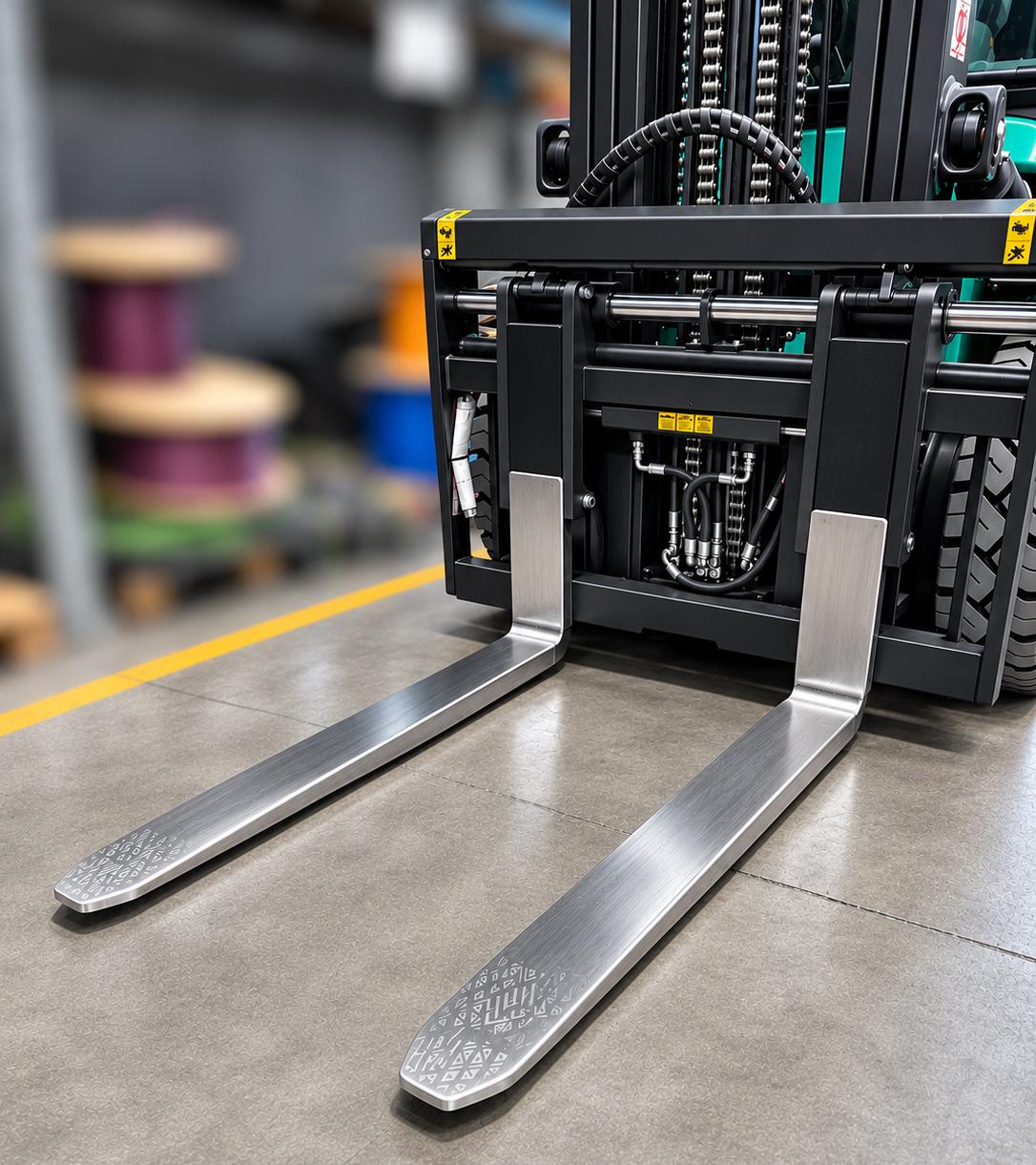
Additional protective measures may also be implemented, such as special coverings for forklift forks, intended to reduce the risk of mechanically generated sparks. Every ATEX conversion therefore requires a careful assessment of potential ignition sources and the implementation of appropriate technical solutions, based on the characteristics of the equipment and its intended operating environment.